
Microsoft Secure Boot Certificate Update 2026:
🛡️ Microsoft Refreshes Secure Boot Certificates Ahead of 2026 Expiry — What It Means for Windows Security
Published: 11 February 2026
Microsoft has announced a major proactive security update affecting millions of Windows PCs worldwide: the digital certificates that power Secure Boot — a core security feature — are set to expire in June–October 2026. To prevent weakened system protections, Microsoft is now automatically replacing them via Windows Update.
🔐 What Is Secure Boot?
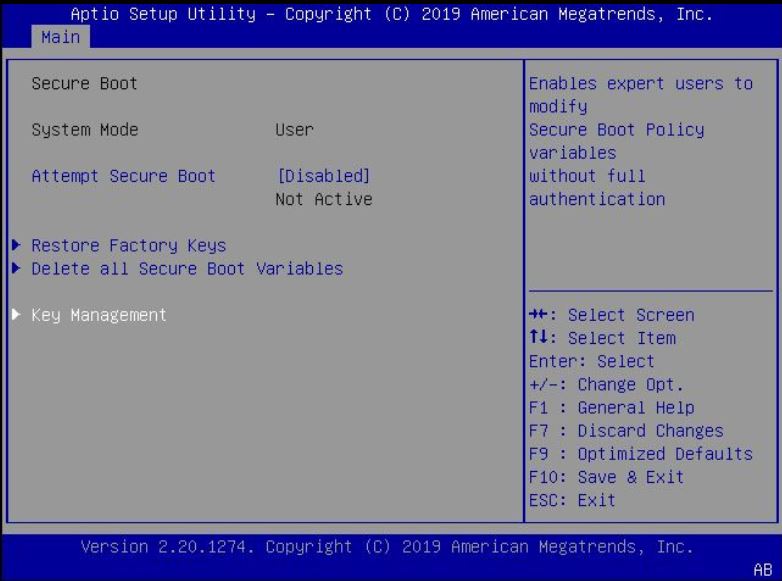
Secure Boot is a hardware-level security technology that runs before your operating system loads. It verifies that startup code — such as boot loaders and firmware drivers — is signed and trusted. This stops unauthorized or malicious code (like bootkits and rootkits) from executing before Windows starts, strengthening the overall system defenses.
It’s part of the UEFI firmware standard used in nearly all PCs built since 2012, and is enabled by default on most Windows 11 and recent Windows 10 devices.
📆 Why the Certificate Update Matters in 2026
The certificates currently used to authenticate Secure Boot’s trusted components were originally issued in 2011. After more than 15 years in service, these certificates are expiring starting June 2026 and through October 2026. This is the first time since Secure Boot was introduced that certificates have reached the end of their lifecycle.
Without updated certificates:
-
A device may still boot normally, but it will enter a degraded security state.
-
It will no longer receive new boot-level security protections.
-
Future mitigations for emerging threats against the pre-OS environment could be unavailable.
-
Other security systems like BitLocker hardening or third-party boot tools may not update properly.
In simple terms: your PC keeps working — but its defenses at startup won’t improve and may weaken over time.
🔁 How Microsoft Is Rolling Out the Update
To prevent security degradation and compatibility issues:
✅ Automatic Updates for Most Users
Microsoft is delivering the new 2023 Secure Boot certificates via regular Windows Update packages to most modern devices. These updates are already being deployed and will continue through mid-2026.
If your PC:
-
Shipped in 2024 or later, chances are it already includes the new certificates.
-
Has automatic updates enabled, it should receive the new certificates without any action needed.
-
Is managed by an organization, IT admins can validate deployment using Microsoft’s Secure Boot playbook tools.
🛠️ Additional Firmware Updates
Some systems — especially older hardware, servers, IoT devices, or custom OEM builds — may require firmware updates from the manufacturer before the new certificates can install properly. Check your device maker’s support page if you own older or enterprise-class systems.
🪟 Windows 10 Special Case
Windows 10 devices must be enrolled in Microsoft’s Extended Security Updates (ESU) program to receive the certificate updates; otherwise, they might not get the refreshed certificates after certificates expire.
🧠 What Should Users Do?
✔️ Enable Windows Update
Ensure your device is set to receive automatic updates. This is the easiest and safest way to get the new Secure Boot certificates.
✔️ Update Firmware If Needed
Check for motherboard or OEM firmware (BIOS/UEFI) updates on the manufacturer site, especially if automatic updates don’t install the new certificates.
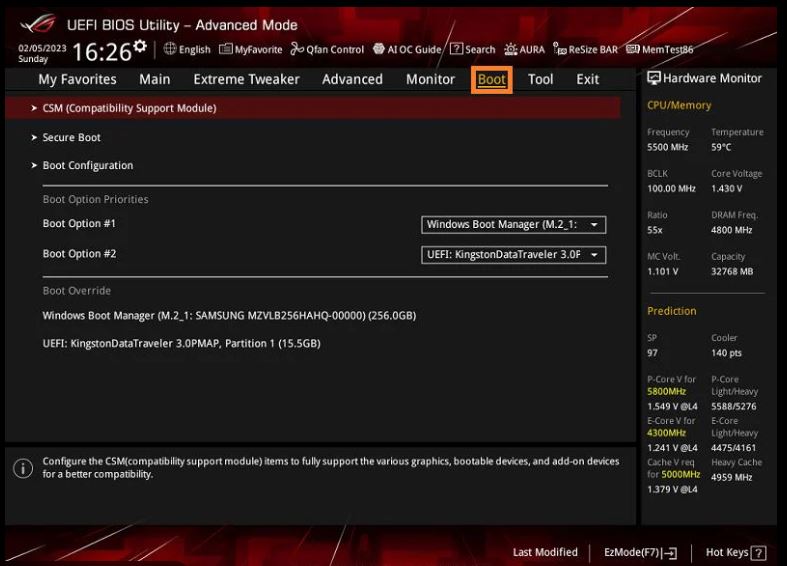
✔️ Don’t Disable Secure Boot
It might be tempting to disable Secure Boot to bypass issues, but doing so removes critical startup protections and increases attack risk.
✔️ Monitor Enterprise Deployments
IT professionals should plan certificate rollout using Microsoft’s Secure Boot playbook tools and inventory existing device status ahead of the expiration.
🔍 Why This Update Is a Big Deal
Secure Boot’s certificate update marks one of the largest coordinated evolutions in Windows security in years. It affects billions of devices and represents Microsoft’s attempt to maintain industry-standard protections against sophisticated malware that can attack before traditional defenses ever load.
As Microsoft engineers have noted, cryptographic security practices evolve — and aging certificates must be refreshed periodically so they don’t become weak spots in a platform’s defenses.
📊 Summary in Bullet Points
-
Secure Boot certificates from 2011 are expiring June–October 2026.
-
Devices missing updates will still boot but lack full boot-time security protections.
-
Microsoft is automatically rollling out new 2023 certificates via Windows Update.
-
Firmware updates or special enrollment (Windows 10 ESU) may be required in some cases.
-
Users should keep updates enabled and check OEM support for firmware.
💬 Final Thoughts
This update reinforces how modern PC security isn’t just about antivirus or firewalls — it starts before the operating system boots. By updating the cryptographic certificates that Secure Boot relies on, Microsoft is ensuring that startup integrity remains strong for years to come.
Stay updated, and don’t ignore those Windows update notifications!